Water Damage Restoration in Loma Linda, CA
Loma Linda grew up around the sanitarium that Seventh-day Adventists opened on the hill in 1905, and the medical center that came from it is still the reason most people know the town. The city did not incorporate until 1970. The housing splits along the hill: 1950s and 1960s slab ranch homes on the flats along Redlands Boulevard and Barton Road, larger 1970s through 1990s homes climbing the south hills, and newer tracts and apartments filling in near the campus.
The flats are old floodplain. In the 1862 flood the Santa Ana River spread water from Loma Linda all the way to downtown San Bernardino, and the ground here is the reason. Today the river is channeled, and the everyday losses are the valley's usual: a slab leak under a 1960s hallway, a water heater that gave up in a hot garage, and a monsoon storm that found a worn spot in a tile roof.
Call us now and tell us what you see. We connect Loma Linda homeowners with an independent local water damage provider who looks at the house and sets the scope.
Loma Linda water damage, flats and hill
A warm floor and a rising bill in a slab home off Barton Road is a leak detection call. A tank that let go in the garage is water heater leak cleanup, and the bedroom wall it soaked needs structural drying that a box fan will not finish.
Where to call in Loma Linda
Loma Linda University Health is the largest employer in the city and the anchor of the neighborhoods around it, and many of the homes within walking distance of the campus were built for the staff who work there. Water service comes from the city, which can shut off at the meter, and rebuild permits go through the city's Building Division on Barton Road.
Call (909) 494-5349 now and tell us what you see. We connect you with a local water damage provider serving Loma Linda.
Services Available in Loma Linda
Water Extraction
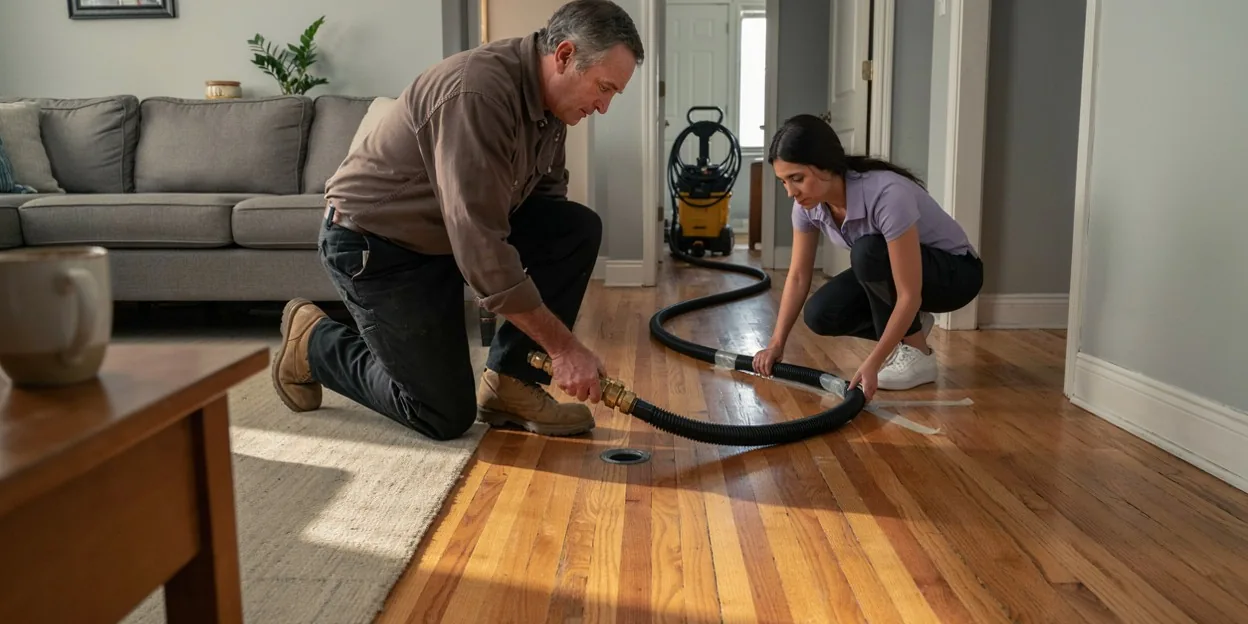
Standing water pumped and vacuumed out of the house, then the first moisture readings to see where it spread across the slab.
Structural Drying
Air movers and dehumidifiers set by the readings, with checks until drywall, subfloor, and framing come back to their dry target.
Leak Detection
Finding a hidden slab, wall, or supply-line leak under a valley tract home before anyone cuts concrete or opens a wall.
Burst Pipe Water Damage
The rooms, floors, and walls a failed or frozen supply line reached, pumped out and dried once the valve is closed.
Roof Leak Water Damage
Wet insulation, ceilings, and walls dried out after a monsoon downpour, a Santa Ana windstorm, or mountain snow got through the roof.
Water Heater Leak Cleanup
A failed tank in a garage, closet, or side yard and the flooring and drywall it soaked before anyone noticed.
Sewage Cleanup
Sewer backup and black-water removal with protective gear, contained disposal, and disinfection of the surfaces it touched.
Appliance Leak Cleanup
Water from a dishwasher, washer, fridge line, or swamp cooler traced under cabinets and flooring, then dried.