Water Damage Restoration in San Bernardino, CA
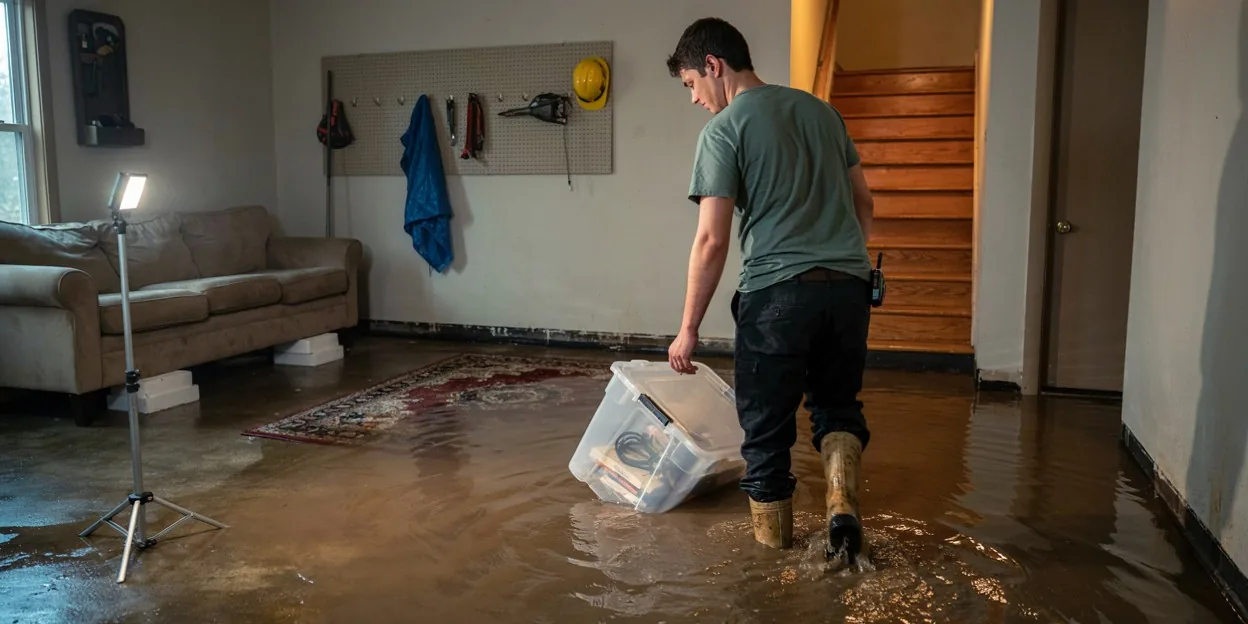
San Bernardino is the county seat and the oldest city in the valley, laid out by Mormon settlers in 1851 and incorporated in 1854. The housing shows every era since. Craftsman and Victorian homes on raised foundations sit near downtown and along the old streetcar lines. Ring after ring of slab tract homes from the late 1940s through the 1970s spread out from there, and the north end below the foothills filled in during the 1980s and 1990s.
Water comes at the city from above. Lytle Creek, Cajon Wash, and Warm Creek all drain the mountains through town, and the March 1938 flood cut the city off and killed 14 people across the county. The Panorama Fire took 310 homes in the north end in November 1980. The Old Fire burned the same slopes in October 2003, and the Christmas Day storm that followed sent debris flows down Waterman Canyon that killed 14 people at a church camp.
Call us now and tell us what you see. We connect San Bernardino homeowners with an independent local water damage provider who looks at the house and sets the scope.
San Bernardino water damage, slab by slab
A warm hallway floor and a doubled water bill in a 1960s tract off Highland Avenue is a leak detection call before anyone cuts the slab. A supply line that let go inside a wall is burst pipe water damage cleanup, and the drying that follows is structural drying, which takes longer in a closed house than most people expect. Mud that came off the foothills after a fire is handled as contaminated water, not dirt.
Where to call in San Bernardino
Water service in most of the city comes from the San Bernardino Municipal Water Department, which can shut off at the meter when the house valve will not turn and keeps a 24-hour line for main breaks. Rebuild permits that replace drywall, plumbing, or wiring go through the city's building desk downtown.
Call (909) 494-5349 now and tell us what you see. We connect you with a local water damage provider serving San Bernardino.
Services Available in San Bernardino
Water Extraction
Standing water pumped and vacuumed out of the house, then the first moisture readings to see where it spread across the slab.
Structural Drying
Air movers and dehumidifiers set by the readings, with checks until drywall, subfloor, and framing come back to their dry target.
Leak Detection
Finding a hidden slab, wall, or supply-line leak under a valley tract home before anyone cuts concrete or opens a wall.
Burst Pipe Water Damage
The rooms, floors, and walls a failed or frozen supply line reached, pumped out and dried once the valve is closed.
Roof Leak Water Damage
Wet insulation, ceilings, and walls dried out after a monsoon downpour, a Santa Ana windstorm, or mountain snow got through the roof.
Water Heater Leak Cleanup
A failed tank in a garage, closet, or side yard and the flooring and drywall it soaked before anyone noticed.
Sewage Cleanup
Sewer backup and black-water removal with protective gear, contained disposal, and disinfection of the surfaces it touched.
Appliance Leak Cleanup
Water from a dishwasher, washer, fridge line, or swamp cooler traced under cabinets and flooring, then dried.