Water Damage Restoration in Running Springs, CA
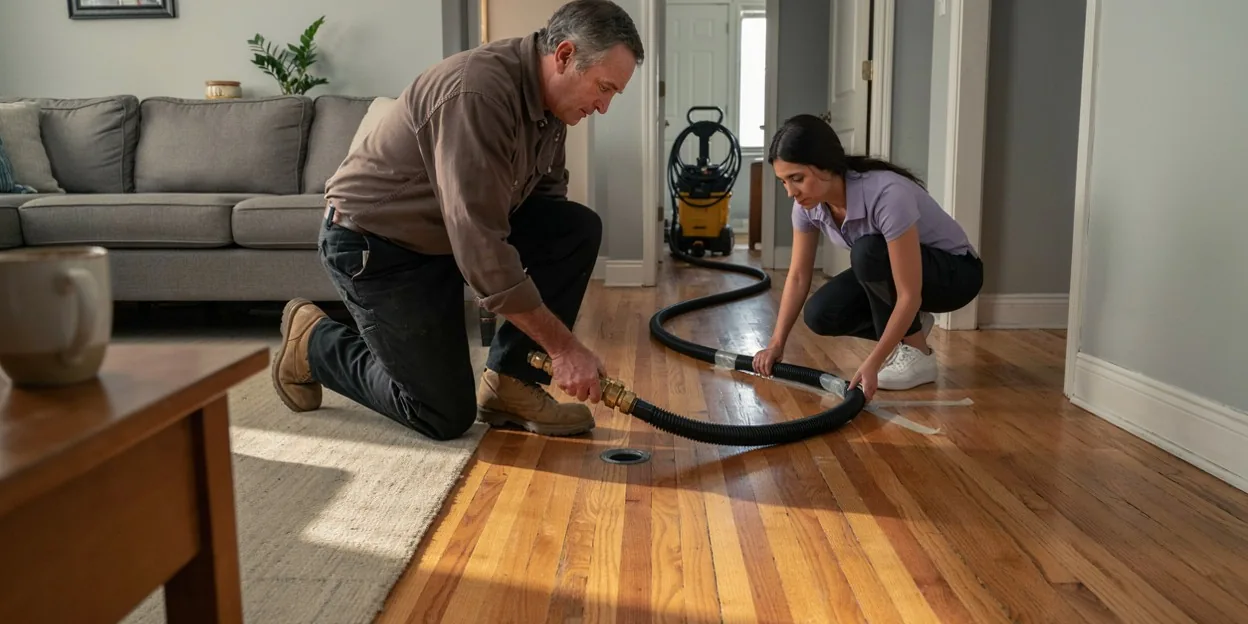
Running Springs sits at about 6,000 feet where Highway 330 from Highland meets Highway 18 on its way to Big Bear. It grew as a lumber camp and then a cabin town, and the housing is 1940s through 1970s cabins on small, steep lots in the old village and in Arrowbear Lake, with larger newer homes above the highway. Almost all of it is raised-floor construction with a crawl space, and a good share of it sits empty between weekends.
The town is on the front line for both fire and snow. The Old Fire in October 2003 forced everyone out. The Line Fire, which started above Highland on September 5, 2024, put Running Springs and Arrowbear Lake under mandatory evacuation as it burned toward the ridge. In between, the late February 2023 blizzard buried the town, and the melt found every frozen fitting and worn roof. Summer monsoon cells build right over this ridge and drop an inch of rain in an hour.
Call us now and tell us what you see. We connect Running Springs homeowners with an independent local water damage provider who looks at the house and sets the scope.
Running Springs water damage, on the ridge
A pipe that froze under the floor of an empty cabin is burst pipe water damage. A cabin roof that gave up under snow load is roof leak water damage. Both end with structural drying that brings heat as well as air into a cold house.
Water, sewer, and permits on the Running Springs ridge
Water and sewer come from the Running Springs Water District, which can shut off at the meter and handles sewer stoppages, and the Running Springs Area Chamber of Commerce keeps the local directory for the ridge from Arrowbear Lake to Green Valley Lake. Because the community is unincorporated, rebuild permits go through San Bernardino County Land Use Services.
Call (909) 494-5349 now and tell us what you see. We connect you with a local water damage provider serving Running Springs.
Services Available in Running Springs
Water Extraction
Standing water pumped and vacuumed out of the house, then the first moisture readings to see where it spread across the slab.
Structural Drying
Air movers and dehumidifiers set by the readings, with checks until drywall, subfloor, and framing come back to their dry target.
Leak Detection
Finding a hidden slab, wall, or supply-line leak under a valley tract home before anyone cuts concrete or opens a wall.
Burst Pipe Water Damage
The rooms, floors, and walls a failed or frozen supply line reached, pumped out and dried once the valve is closed.
Roof Leak Water Damage
Wet insulation, ceilings, and walls dried out after a monsoon downpour, a Santa Ana windstorm, or mountain snow got through the roof.
Water Heater Leak Cleanup
A failed tank in a garage, closet, or side yard and the flooring and drywall it soaked before anyone noticed.
Sewage Cleanup
Sewer backup and black-water removal with protective gear, contained disposal, and disinfection of the surfaces it touched.
Appliance Leak Cleanup
Water from a dishwasher, washer, fridge line, or swamp cooler traced under cabinets and flooring, then dried.